Japanese-American Relocation in East Idaho
Japanese-Americans during WWII
7/8/20263 min read
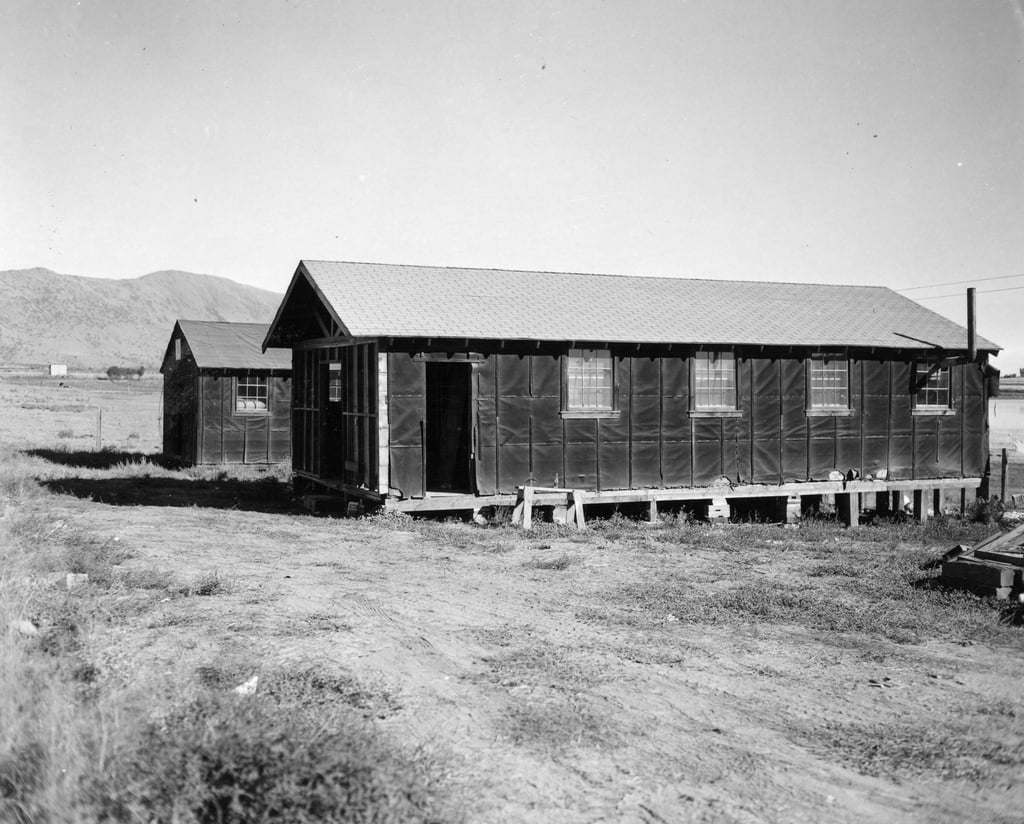
War creates incongruent, ironic moments, as it did in WWII Eastern Idaho when Japanese-American farmers, who avoided internment camps by residing inland and were thus not espionage threats, used Japanese-American 'evacuees' to harvest their potatoes. The Matsuuras in Rexburg (they had yet to make the move to Bingham County's Rising River) and Frank Wada in Pingree were some of those Japanese-American farmers.
Frank Wada in particular must have felt the strangeness of the moment. He had farmed in San Clemente, California for a decade before facing the post-Pearl Harbor anti-Japanese sentiment, and like other coast state dwellers of Japanese extraction was detained for possible incarceration. But those who agreed to move inland, if they had a sponsor there, could avoid imprisonment— Wada's seed vendor stepped forward as sponsor to allow Wada to farm in Cedar City, Utah.
Wada, his family, and three partners took an old Ford truck loaded with as much farm equipment as it would carry to Cedar City, where raising potatoes and the neighbors' attitudes seemed an opportunity for success. But water became a problem on the 55 acres they rented. By midsummer, despite a heavy snowpack, no water reached the end of the canal at Wadas' farm and the potatoes wilted and died. Wada moved on to southeastern Idaho, found work hauling beet pulp until the spring of 1943, when he took over 160 acres of rented potato fields from other Japanese—the Hara brothers, who had been in the area since 1895 were moving on, having been briefly incarcerated for not reporting their 'alien' status to the government. The Wadas received a mixed reception from their Caucasian neighbors, some treating them “with kindness but ...a few who really hated Japanese Americans.” During planting and harvest, when extra labor was needed, Wada found it difficult to get neighbors' help so turned to prisoners from a nearby camp to perform the necessary labor.
Other growers in Bonneville, Madison and Bingham counties had requested 200 Japanese families as laborers and the governor approved on the condition they be returned each night to their [branch] camps in Shelley, Blackfoot, and Rexburg. Eventually, camp residents were released permanently throughout the country, though the government continued to track their whereabouts. Two rationalizations guided the evacuees' release—dispersing Japanese residents inland would decrease the West Coast animosity and racial conflict when the war ended; and it would be economically and militarily advantageous for Japanese Americans to support themselves and not tie up military personnel as camp guards.
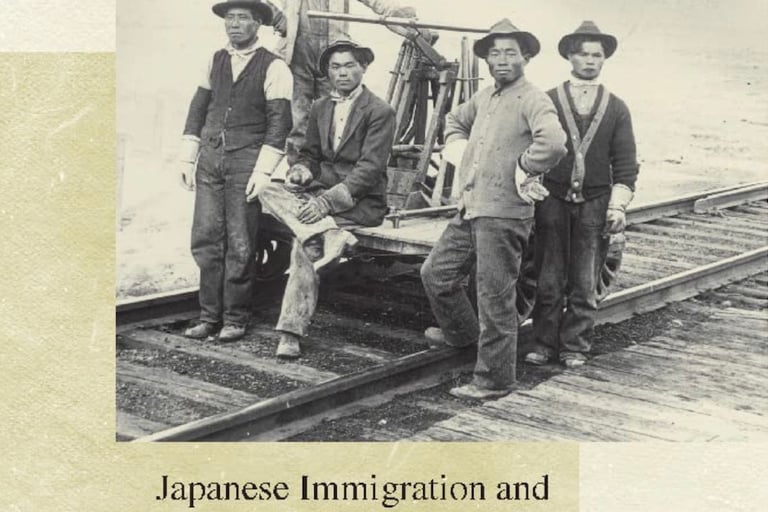
Those relocated to the interior U.S. found mining and railroad work or labored on farms and in hotels or cafés. Professional work was hard to find, even by those with degrees, and “domestic help was the employment of last resort.” Ironically, since internment was to prevent Japanese immigrants from sabotaging the war effort, the Toole Ordinance Depot west of Salt Lake City began recruiting Japanese Americans in 1942. By the end of the war 250 residents of the Topaz, Utah, camp had found work in the depot, “handling ammunition, driving trucks, and operating fork lifts.”
But most relocated camp residents took agricultural jobs. The Utah-Idaho Sugar Company hired 3,500 evacuees in 1942, their labor producing an additional 100 million pounds of sugar that year and over the war's course bringing in enough beets from the field to produce “nearly 300 million pounds of sugar.” Koho Ozone and eight others left the Manzanar relocation camp (230 miles north of Los Angeles) for Idaho in September of 1942 on a cold, miserable train ride that stopped in Salt Lake City—where they were taken to a Christian and a Buddhist church to get food served by local Japanese girls. From Salt Lake the train took them to Idaho's Snake River valley. dropping off workers in every small town including Pocatello, Shelley, and Idaho Falls.
In Rexburg, local farmer Gottlieb Weber met Ozone's group. He took them to quarters Ozone described as “a dilapidated affair with boarded up windows and cow excretions scattered all around the house and the inside...filthy with flies.” Asked where they would bathe, Weber replied, “You jump into that irrigation ditch over there across the road.” The men harvested potatoes for local farmers that included the Walzs and the Matsuuras. One of Mrs. Walz’s daughters bought “foodstuffs” for the workers about “3 times a week.” Because the normal cost of their food came out of the workers’ earnings, Ozone reported it was “such expensive stuff that we were disgusted.” The Matsuuras, Ozone said, “were very nice people and they did all kinds of things for us.”
You can read a more complete account of wartime labor in Bingham County and the Japanese influence in the beet industry in 'The Great Pasture'—available at Kesler's or online at https://www.amazon.com/GREAT-PASTURE.../dp/B0CZXYD7JS...
You can purchase Eric Walz's work, from which much of this post was taken at https://www.amazon.com/Nikkei-Interior.../dp/0816529477...