Japanese-Americans in Eastern Idaho in the eary twentieth century
Japanese-American workers and farmers in East Idaho
7/8/20266 min read
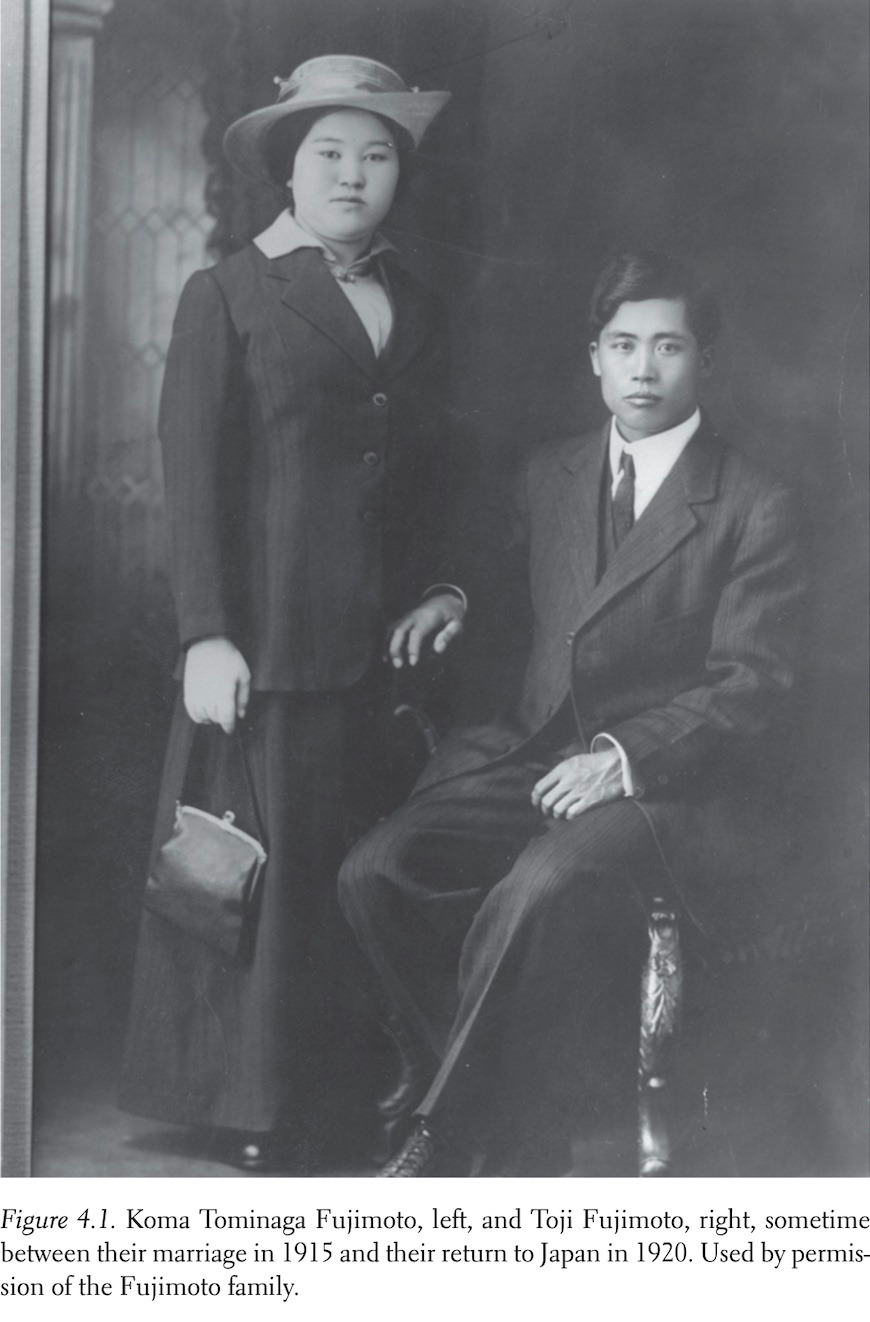
Above, the Fujimoto family which worked and farmed in the upper Snake River Valley
The Japanese population in the Upper Snake River Valley found some mutuality with the heavily LDS population in the 1910s, despite their linguistic and cultural differences. The LDS Church owned the sugar company at that time and was the primary employer of Japanese immigrants, first as laborers and then as tenant farmers. The Japanese came from intensively farmed areas so were well acquainted with the hard 'stoop' labor that sugar beet growing required at that time so proved to be a boon to the industry at a time when labor was hard to find. The Mormon restrictions of tea and alcohol didn't jibe with Japanese culture, both substances being essential components of ceremonies and everyday life, but both groups believed strongly in family ties and in ancestor worship (albeit in different ways) so a natural affinity of a sort existed between them. That connection was severely tested in early 1918 and the years after.
In the late night and early morning hours of January 7 and 8, 1918, four young men (Henry Ricks—age 20, Edward Levine—18, Lavon Williams—23, and Dewey Arnold—20), sons of prominent LDS men in the Rexburg community, raided Japanese homes in the area, ostensibly looking for alcohol. Rexburg was pre-Prohibition dry, forcing the young men to look outside their community for drink. The Japanese residents, as outsiders who lived beyond the city limits, were socially and racially separated from the youths' family circles so seemed easy targets—and they weren't Mormons who didn't abstain from alcohol so might prove to be a handy source of what they wanted. The perpetrators likely saw the families as unable to defend themselves and unlikely to receive community support.
Around 8:00 p.m. three of the young men entered K. Hanani's home. He was bedridden but they forced the wife and son to help search for alcohol. Unsatisfied, they left and later broke into S. Hanami's home. He ran to the telephone to call for help but the men fired two warning shots, stopping him. They held him and his visiting son-in-law at gunpoint and forced Mrs. Hanami to help search. No liquor found, the boys stole the son-in-law’s satchel and its more than $100 in cash, then began assaulting Mrs. Hanami and her pregnant daughter in the bedroom. The four sleeping children awoke and began screaming, alerting one of the men outside waiting with the sleigh, who came in to call them off.
The four men left the Hanami home, still without liquor, arrived at Gisuke Okura's house at about 3:00 in the morning. Okura would testify that the men entered his house with guns drawn and forced him into a chair, then demanded liquor. He replied that the liquor was gone. One of the men stood guard over Okura while the others searched the home. Mrs. Okura awakened when they entered her bedroom. According to the local newspaper, the men then took turns pinning Mrs. Okura’s arms down, holding their hands over her mouth to muffle her screams, while the others took turns raping her. According to Mrs. Okura’s testimony, the intruders shone a flashlight in her face, threatened her with their guns, and then “threw her around on the bed.” She cried for help and scratched the side and face of one of the men. After “accomplishing the act,” the violators left the room but then returned “and repeated their performance.” The experience left Mrs. Okura in a state of hysteria and 20 minutes passed before she could tell her husband what had happened.
The men then moved on to a local hotel. A state’s witness would testify that all four men arrived at his hotel room about 8:00 in the morning on January 8. All carried guns and were bragging that they had been “out having a hell of a time with the Japanese women.”
The case had a high community profile since the accused represented prominent area families. Both sides' lawyers were “some of the best in the state.” Three interpreters attended all court sessions, including one representing the Japanese Association. Through the Association, the case facts were communicated to the Japanese government. The newspapers didn't indicate that the Japanese government intervened directly in the case, but the presence of their interpreter suggests that the Japanese Association played a role in the proceedings. At the trial's end, two of the men were sentenced to 1 to 14 years in the state penitentiary for attempted rape and two received 5 to 15 years for rape.
Two months later, the defendants appealed. The original court reporter had died and trial records were lost due to his peculiar, unreadable form of shorthand, so the appeal process dragged on for three and a half years, during which the four defendants were granted a stay of execution and discharged from custody on $5,000 bond. In November 1921 the men were finally sent to the Penitentiary to serve their sentences. Given the offenders' prominence and the plaintiffs' tenuous social and political position in the local community, the fact that all four were found guilty was a remarkable testimony to the local justice system, the influence of the Japanese Association and the Japanese consulate.
The case did not end there, however. After the men were incarcerated, letters from family members, community leaders, and jurors poured into the attorney general’s office demanding their pardon. These letters claimed the initial trial was unfair due to adverse local publicity, and that new facts had emerged. The offenders were good boys from good families, the letters said, who should not be severely punished for a youthful indiscretion. County Prosecuting Attorney C. W. Poole responded, that the newspapers' wording 'was a little unfortunate' but the facts revealed at the trial proved that the newspapers had been correctly informed. Additionally, five days were spent securing a jury of prominent community members, including three Mormon bishops, to secure a fair trial.
The second claim of new evidence was not related to the actions of the accused but to the plaintiffs' actions—the letters claimed it was well known that the Japanese manufactured alcohol, making them “bootleggers”—the boys wouldn't have been there were that not known, their defenders said, excusing their behavior. Mr. Okura had indeed been arrested for having 8 gallons of wine in a vat at his home. He pled guilty, paid a $300 fine, and spent 3 months in jail.
The third claim, that the boys (not men) were just being boys and the punishment did not fit the crime, was promoted by many of the letters, which had strong indications that they were drafted by the same hand—they used a similar organization and format, and then were signed by separate individuals. M.C. Madison's letter exemplified many of the others, arguing, “The boys have always had a good reputation and their character is good. This should go a long ways. When boys are born well and come from good families and are in fact good themselves, they usually continue along the lines of good citizenship. When we compare the reputation of the Japanese with the reputation of the boys, we must immediately state that the boys are innocent.”
Comments like this supported the claim that although the boys' actions were unfortunate, they were a one-time fling of the kind that young boys often participated in, but that do not accurately represent their true character.
According to Eric Walz (whose scholarship much of this blog is taken), these letters demonstrated a swing in community opinion. Jurors initially voted to convict the four men (after deliberating just four hours) on the premise that breaking and entering, assault, and rape were crimes against the entire community—the perpetrators must be removed from society and punished. By the time of the letter writing campaign, the jurors (ten of twelve of them wrote letters) had come to see their community as bifurcated—an outside, immigrant, Japanese community and the other community of people who looked, behaved, and believed differently from the Japanese. After recognizing these differences, the jurors concluded that their primary responsibility was to protect their own community from the contrary influence of the immigrants. In the initial trial, Japanese consulate influence through the Japanese Association kept the case tied to legal considerations and precedents, but as time moved on the case became to represent the host community’s vision of the cultural divide between themselves and the immigrant community. The vision of community differences won out. The four men were all pardoned and released from prison.
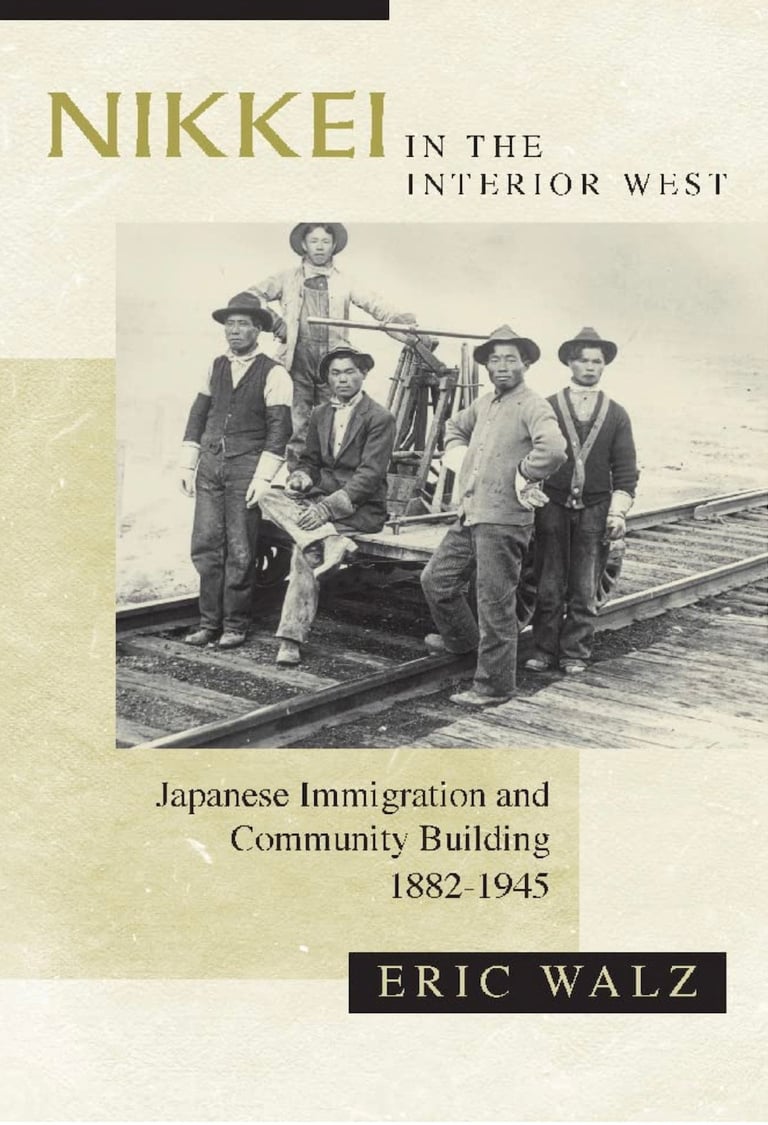
much of this blog is derived from Eric Walz' Nikkei in the Interior West : Japanese Immigration and Community Building, 1882-1945