JOT TRAVIS—ONE OF THE FIRST BIG CATTLEMEN IN BINGHAM COUNTY
Jot Travis, purported owner of land from American Falls to Blackfoot around 1870-1880
3/25/20264 min read
Jot Travis, Western cattleman, horseman, and entrepreneur
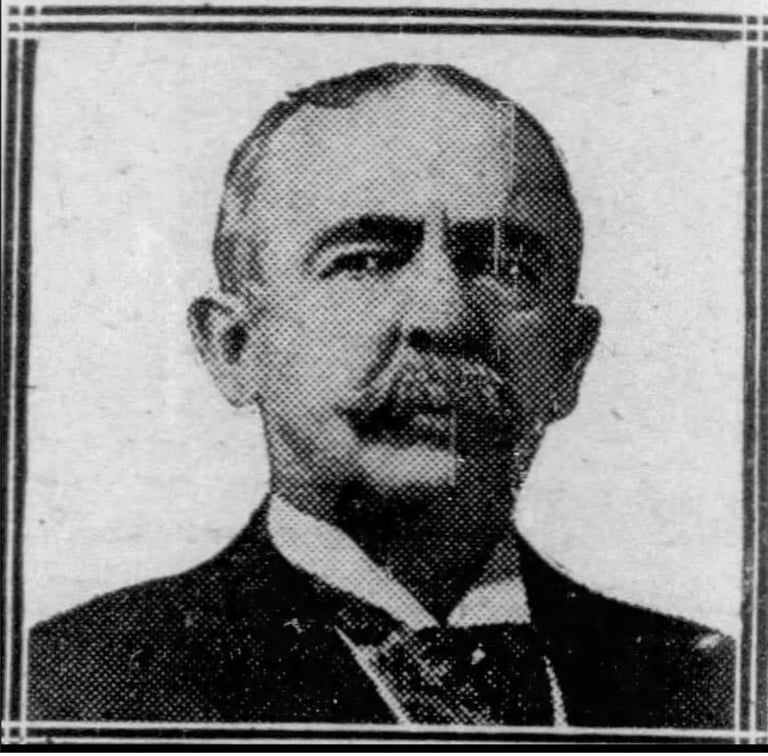
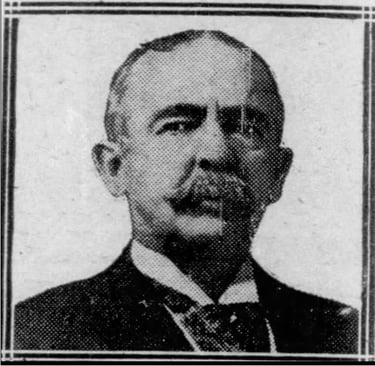
One man 'owned' all the land west of the Snake River between American Falls to nearly Blackfoot before Bingham County became a legal entity—though 'claimed' might be a better term, ownership likely disputed by other parties that included the threadbare government. Jot Travis owned a cattle ranch ten miles from American Falls, its location lost to history, and traded horses, raised horses, broke horses, and raced horses before and while managing stage lines that stretched across eight thousand miles and mail routes that reached into the Eastern cities of Chicago, Philadelphia and New York.
Travis was of the character that Western movies are built from, serving as a scout for the Union Army during the Civil War and then heading West afterwards to Montana. At Alder Gulch, Montana, where the richest gold placer mine field ever worked extracted $10,000,000 (by today's measure, four hundred million) its first year, he traded horses (he also traded horseflesh at Salmon City, Idaho) and there found a taste for racing. He ran a 'shave-tailed sorrel' in 1867 against Dan Fleury's bay mare, the shave-tail still running a year later and winning on a day that other Travis horses, both Jot's and his brother's, ran different races.
Lore credits a Travis horse with running the shortest race in Montana history, a three hundred yard affair in 1869. In a sense it was also the longest race, the competing pair of horses taken to the starting line for thirteen consecutive days before the race was actually run. The race went little better, for Travis' 'Travis Chief' ran the race properly but its competitor, 'Gun Powder' ran off track. After a great deal of squabbling, the two owners split the pot.
Travis was making a name for himself in Nevada at the time, too, with breakneck long distance runs—in 1870 he rode from Treasure City to Patterson and back, over a hundred and sixty miles, in sixteen hours. Two years later he was operating the Hamilton to Pioche stage line, hauling in horse thieves as deputy sheriff of Pioche (serving under his brother's tutelage) at a time when the sheriff garnered $40,000 a year in bribes. The mines there produced almost half what Alder Gulch did, so the business was a profitable venture. Miners, needing protection for their claims from 'jumpers', paid gunmen $20 a day for their services—about $800 in today's cash.
Pioche was known as the roughest mining town in the nation at the time, worse than even the famed Tombstone, Arizona and Bodie, California. It was claimed that seventy-five men died "with their boots on" before one died of natural causes. Pioche was also known for suffering the worst fire in Western history when 300 barrels of blasting powder exploded in a fire, blowing a thousand pound door clear out of town and leaving thirteen dead and most of its ten thousand people homeless. Damages were estimated at half a million dollars.
Travis bought a substantial herd of cattle at White Pine, Nevada in 1877 and drove them to feed at Green River, intending to drive them to the Black Hills for sale when grazing season was over. He began garnering mail contracts, a lucrative business rife with graft, with the York, Utah to Pioche line, and took over the stage line from Eureka to Pioche shortly after. He ran the stage from Tybo, Nevada to Eureka, over 100 miles, in nine hours, the usual time being 25. He upgraded the line by putting buggy tops on the buckboards and then exchanging buckboards for regular stagecoaches. He also added a hundred fresh horses to the stage line to make the trip quicker. At one time, he and his partners Gilmer (the central Idaho town 'Gilmore', erroneously spelled, is named after him) and Salisbury ran five thousand horses on eight thousand miles of stage lines.
He met the fate that many worriers needlessly dread in 1880, when he walked into an elevator shaft—not knowing the car had been sent to the upper floor—at a hotel in Salt Lake City. The bellboy had inadventently pushed the wrong button and then left the car unattended. He broke his arm, knocked out teeth, was severely bruised and lay at the bottom of the shaft for twenty minutes before help came.
He was still at horse-racing, purchasing a colt for $600 ($25,000 in today's currency) in 1881, and running 2700 head of cattle at Uintah on the Green River. Likely, he was an outsized man with an even more oversized ego, given that in 1885, when a hired man was having difficulty working a wild horse into placidity at the American Falls ranch, Travis decided to show him how it was done and was promptly kicked, bitten and bruised, dislocating his arm and spraining his shoulder. He also sprained an ankle, its tendon lacerated and some bone broken off.
Travis purchased the Virginia City stage line property, which included 1500 horses, for $50,000 in 1885 and had interests in Chicago in 1887, where he secured routes there that moved mail from the railroad depots to the Post Office—a $100,000 a year contract for five years. By 1894, Travis was one of the biggest mail contractors in the nation, sending off 2000 separate bids and eventually operating mail routes in Chicago, Philadelphia and New York until his retirement in 1905. He amassed a fortune equivalent to $20,000,000 in today's currency before his death in 1919.
Travis was primary owner of Utah Livestock Co., which had the largest horse ranch in the U.S., six thousand horses taken care of in Cascade, Montana, and he was also owner of a famed two year old trotter, 'Director's Flower', that became champion of the year in 1893 after running a record 2:20 mile and amassing $12,000 in winnings for the year. The horse was sold at year's end for five thousand dollars.
Jot Travis's son, Wesley Elgin Travis, would follow his father's footsteps, getting into a western city taxicab service before becoming the chairman of Greyhound Bus Lines. Upon his death, he donated $300,000 to the University of Nevada to build a student facility in Jot Travis's name. After opening in 1958, it still stands in use.