OPIUM—NOTHING NEW IN IDAHO
Opium use has been around in Idaho since the 1860s, was sold over the counter at one time
2/15/20264 min read
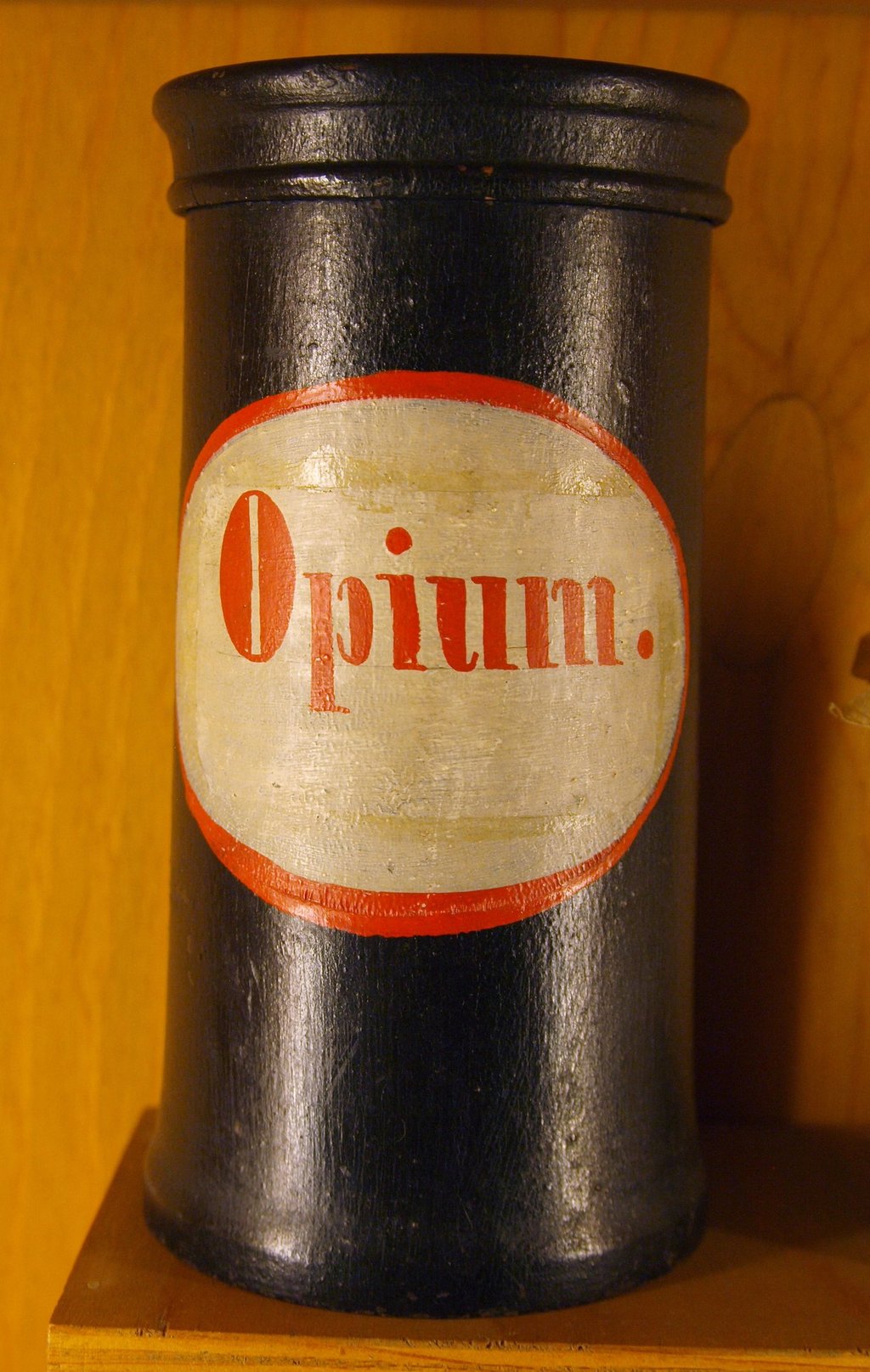
The present 'opioid epidemic' might seem to be an event endemic to our times, but it's nothing new even in Idaho, having been a part of frontier life since at least mining and the railroad appeared in the Territory in the 1860s. A twenty-five year old prostitute died of opium poisoning in 1869 at Silver CIty, a hotel proprietor in Boise used opium to kill himself a year later, and just a few months after that yet another opiate suicide occurred in the same city. The Statesman claimed that $7000 worth of opium was being smoked annually at the time (over a quarter million dollars, adjusted to the present, for a population of just 2300).
There were opium dens in Lewiston, in Ketchum, and surrounding towns, 6-8 just in Hailey. The problem, once seemingly confined to immigrant Chinese, was slipping into the white population, spurring the Idaho legislature to pass a bill curtailing opium sales and usage in 1881. Within a month of the bill's passage, ten users sat in a Silver City jail awaiting trial. Lawmen in Boise had a harder time, making several raids without success, until two whites were apprehended nearly a year later, each of them fined $50 for his offense.
The opium trade was legalized in 1858, with thirty thousand pounds imported to the U.S. by 1871. The Civil War ushered in heavy use, the substance's effectiveness as an anaesthetic useful to treat the hundreds of thousands of casualties. Doctors administered ten million opium pills and three million other opium derivatives in different forms just to the Union forces. During the last quarter of the century, two million pounds came through Pacific ports, another million through the Eastern counterparts. 330,000 pounds entered the country in 1883 alone. Much of the product was distributed in flat oval cakes wrapped in tissue and then again in thin brown paper, but it also came in liquid form in various concoctions and as laudanum. By 1895, two million Americans (the population was seventy million), most of them higher income women, were addicted.
The addicts included Mormon apostle Moses Thatcher, who was seventh in line to become the Church President, according to relatives. He was "addicted to the morphine habit and part of the time insane." Thatcher checked himself into the Keeley Institute where he received a bichloride of gold shot four times a day (the shot may have included strychnine, atropine, alcohol, and apomorphine) and conversed with other addicts in 'group therapy'—one of the earliest instances of that addiction treatment method.
The Keeley Institute, one of dozens nationwide, was ironically in the former Gardo House (seen below), known as one of the finest mansions in the nation between the east and west coasts. Brigham Young had started it in 1873 as a reception house to receive dignitaries.
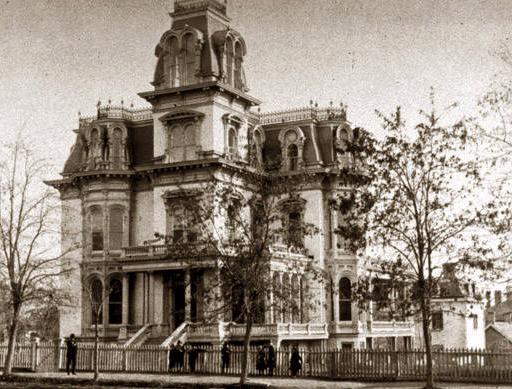
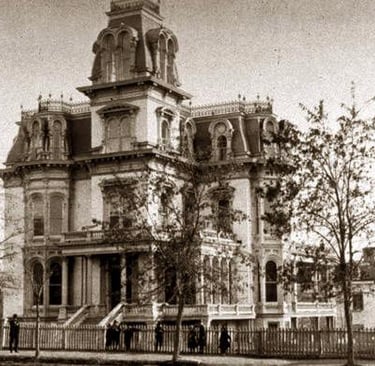
Young never lived to see its completion, but succeeding Presidents Taylor and Woodruff lived in it. Moses Thatcher was one of three appointed to oversee its completion, so it must have been familiar to him during his stint in the addiction program.
The Gardo House opened in 1882 to a tour of two thousand attendees, and was shortly after part of the 'underground railroad' for Mormons escaping polygamy laws. When the Edmunds Act passed not long after, seizing LDS Church assets, the government took the house and charged the Church rent, which rose to $450 a month. In 1891, the Church vacated the premises after having paid $21,000 in rent. The Keeley Institute then rented it for $200 a month. President Harrison pardoned polygamists and the Gardo House was returned to Church, though it had to repair $2000 in damages left by the Keeley staff and clientele.
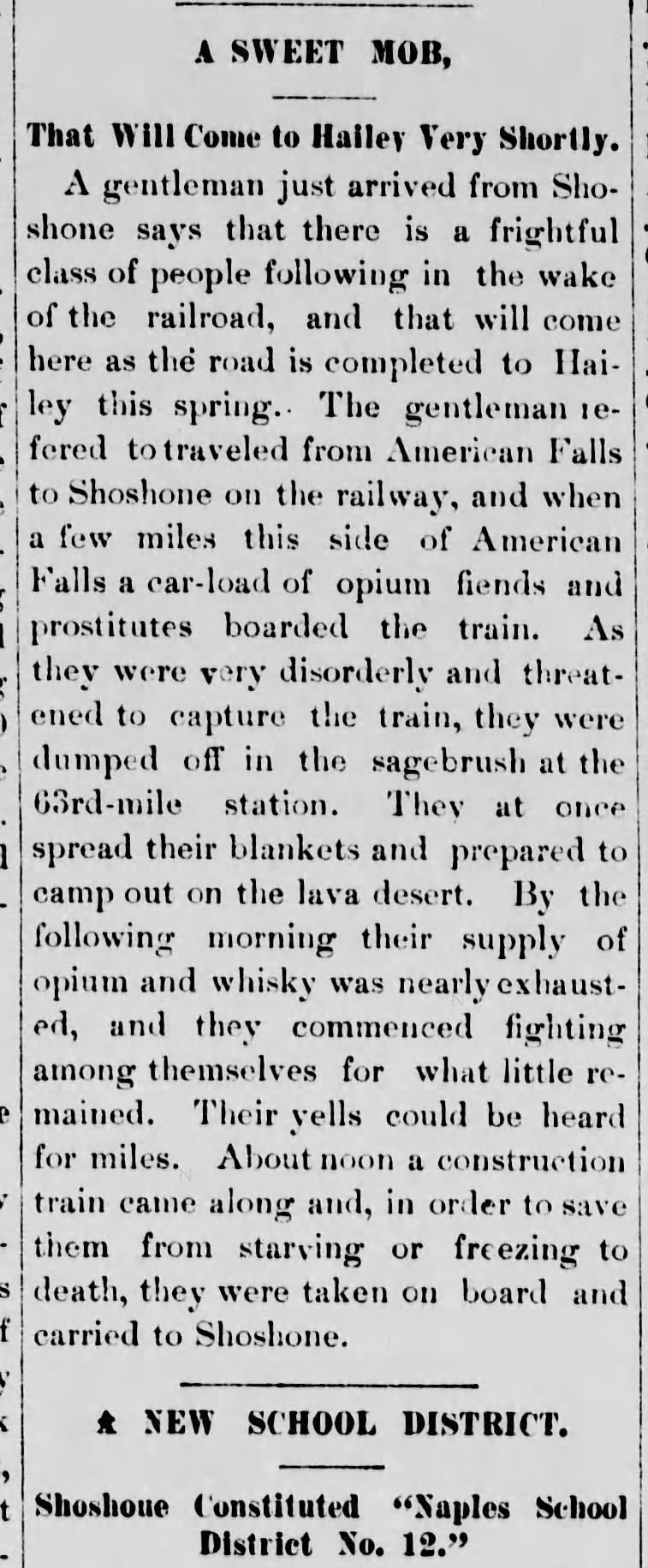
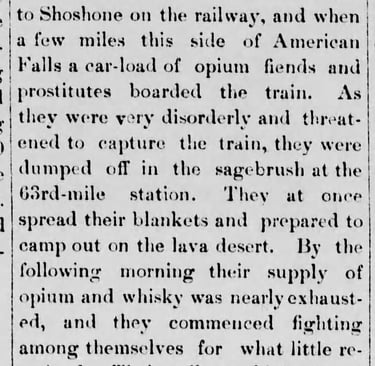
Opium suicides and overdoses continued through the 1880s, and it can be surmised great joy, if of a short term sort, was had by many if the following clipping can be a clue as to that time:
Raids continued, including a large one in northern Idaho in 1893 yielding 180 cans of smuggled opium which the Marshall resold on the legal market at $10.50 a pound. At that time, estimates ranged as high as a thousand pounds of month of opium entering Boise every month—in a town of six thousand people, that was a substantial amount: it would be the equivalent of five tons being shipped monthly into Idaho Falls in present times.
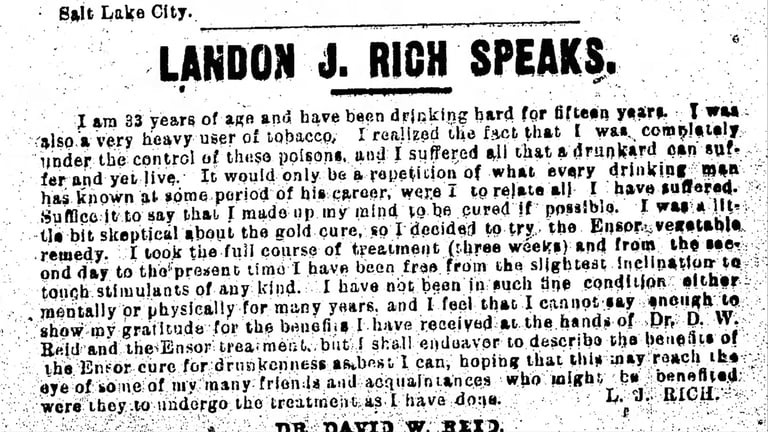
Ex-Idaho Governon E.A. Stevenson, suffering from a painful and chronic illness at the age of seventy, would take his own life by overdosing on opium in 1895. Shortly before that, a Keeley Cure knockoff called the 'Ensor Cure' incorporated institutes in Omaha, Ogden, Pocatello, Hailey and Payette. The Mayor of South Omaha, Dr. Thomas H. Ensor, had purportedly developed a cure for opium, tobacco, and alcohol addictions, his method much like Keeley's in that it included multiple shots through the day—though his were not of gold bichloride but a 'vegetable' concoction. The Institute claimed to have four thousand "graduates" by 1893, one of them Landon J. RIch, who would make an early claim on land in the Tilden area of Bingham County. Read his testimony:
Not until the Harrison Narcotics Tax Act of 1914 were drugs finally regulated in the sense we know now—coupled with White Slavery Laws and soon-to-come Prohibition (already existent in many states, including Idaho), it was a time of moralistic fervor historians will no doubt compare to the present political era.